
Energy & Climate Change
I worked in strategy and policy development in the field of energy, climate change, sustainability and fuel poverty for 25 years, both in the private sector and public sector.
-

The heating season is fast approaching. What is the ‘heating season’ and what happens to your energy bills?
Energy bills: how much bigger are they in the winter compared to the summer? Is the Standing Charge fair? What is my ideal heating system?
-

Gas fires: turn off the pilot light – it may be using more gas than you think
It may seem odd to talk about gas fires in April, but this is the time of year they might come in handy. However, I was shocked when I discovered how expensive it is to keep the pilot light on.
-
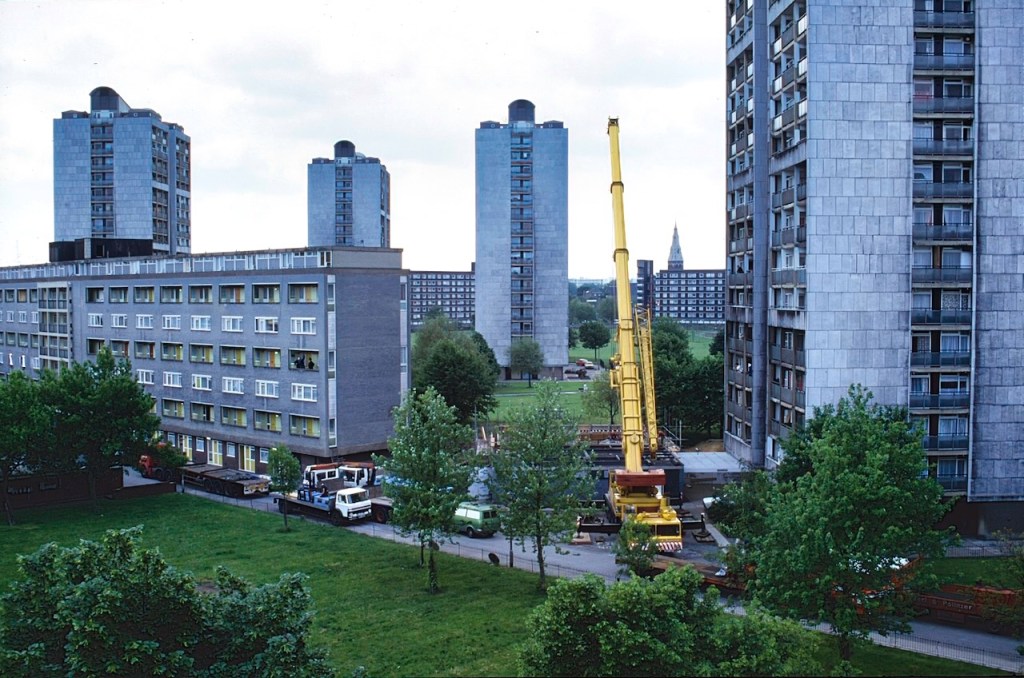
District heating: how do you retrofit central heating to tower blocks?
Providing a wet central heating system to seven 18-storey tower blocks and four 6-10 storey blocks requires a great deal of planning. It would be all too easy for something to go wrong.
-

Homes to Survive In
The weather I am experiencing in south west England is thankfully considerably more comfortable than is being experienced in parts of the north west seaboard of North America right now, where power cables are melting
-

Andover ZED – Zero Energy Development
It is possible to have a heating bill of £100 a year – or less. All we need to do is design well and, perhaps more importantly, build well. Are we capable of that in the UK?
Subscribe
Enter your email below to receive updates.


My energy background
Housing; energy efficiency; fuel poverty; sustainability; climate change
I was responsible for housing research and something called ‘HIP’ – the Housing Investment Programme – at a London borough up to 1995, when I was approached to write a complex statistical and narrative report in response to new legislation: HECA.
The Home Energy Conservation Act 1995 placed new responsibilities upon local authorities – or more precisely, authorities with a housing responsibility. At the time that meant largely Unitary authorities – including the London Boroughs – and District Councils. So County Council were not required to write a ‘HECA’ report.
That first HECA report was difficult. How do you estimate the energy efficiency of an entire housing stock? How does this vary between private rented, home-owner, council and housing association sectors? How do you measure improvements in energy efficiency over time, in order to know if you are reaching targets? The ‘target’ was set by the relevant Secretary of State, and was essentially to improve the energy efficiency of the housing stock by 30 per cent by 2010.
Those were the days. A lot has changed since then, and whilst for some time every housing authority had a ‘HECA Officer’ there are now very few of these highly skilled positions left. Home energy officers are very thin on the ground, which is a shame because we need them now more than ever.
A Home Energy Officer is a very special person. One who understands science and technology as well as the impact of energy inefficiency on poverty and health. One who has a strategic overview of energy infrastructure, consumption and prices in their area, and who can at the same time advise a householder how to use their heating controls or switch energy supplier.
I was very lucky to have been elected Chair of the London HECA Forum back in the late 1990’s and early 2000’s, representing all London boroughs at national level and meeting with regulators, energy companies, manufacturers and Government, amongst others.
Having moved back to Devon it was not long before I was elected Chair of the South West HECA Forum, a very different prospect to London. Before long the ‘HECA’ name was dropped in favour of the ‘Carbon Action Network’. But now there are very few local government energy officers left.
Away from my professional role I set up a blog which ran for many years – EnergyProfessional. I closed it down back in 2018.
HOWEVER, I continue to maintain an interest in all things energy, fuel poverty, climate change and sustainability related, and occasionally am able to write a post on the subject.

