2026-46: THE LAST 20 YEARS?
How will the final 20 years of my life compare with the first 20? And what of the 50 ‘in-between’ years; have they provided what I need to live well in the final 20? This is my diary covering the years 2026 to 2046, from age 70 to 90. Will I make sense of life, the universe and everything?
Recent NOTES
-
The Drought Continues!
How do I know? Because I have a pond! The drought has lasted for many months and overnight rain does nothing more than slow the reduction in the water level of my pond. It is now essentially a large unsightly black bin-bag with a puddle in the bottom!
-
My Groovy 45’s No.6: Sweet Caroline by Bobby Womack
Bobby Womack sings a soulful version of a Neil Diamond song I am not particularly fond of. An old 45 from my collection I played at disco’s in the 1970’s.
-
First Day of Autumn?
For me the first day of autumn, should such a thing exist, is personal. It occurs when certain conditions are met, largely relating to indoor and outdoor temperature, geography and housing conditions.
-
A New Series: The Last 20 Years…
I will be meeting my mother today for the first time since her 90th. birthday. I hope to reach that goal too, which for me will take me to 2046. I have been thinking since my 70th. birthday about writing an entirely new series covering my last 20 years, and it is beginning to come…
-
Court, money, potential home, Peter Gabriel & another night in B&B
Homeless in London part 6. morning at the court, grant & wages cheques, unhappy Professor, abortive home visit & another night in a shabby King’s Cross B&B – but the chance of booking Peter Gabriel!
-
Thinking Too Much?
Thankfully my blood pressure is reducing and approaching normal. I realised that my studies – on a somewhat frightening subject – are not helping so I have stopped. But a nagging question remains in my head…

50 YEARS OF PHOTOS
No.15: Moulin Rouge!
October 1990: A quiet afternoon on the Moulin Rouge set @ Hollywood. Rena feet-up on a bench outside! Picture taken with Canon 450D & scanned in RAW/HDR.
NEWTON ABBOT notes
-

Newton Abbot in Old Pictures No.6: Demolition of the Royal Mail Sorting Office, 2005
Newton Abbot July 2005 and the ‘modern’ sorting office is demolished to make way for Asda. Progress?
-
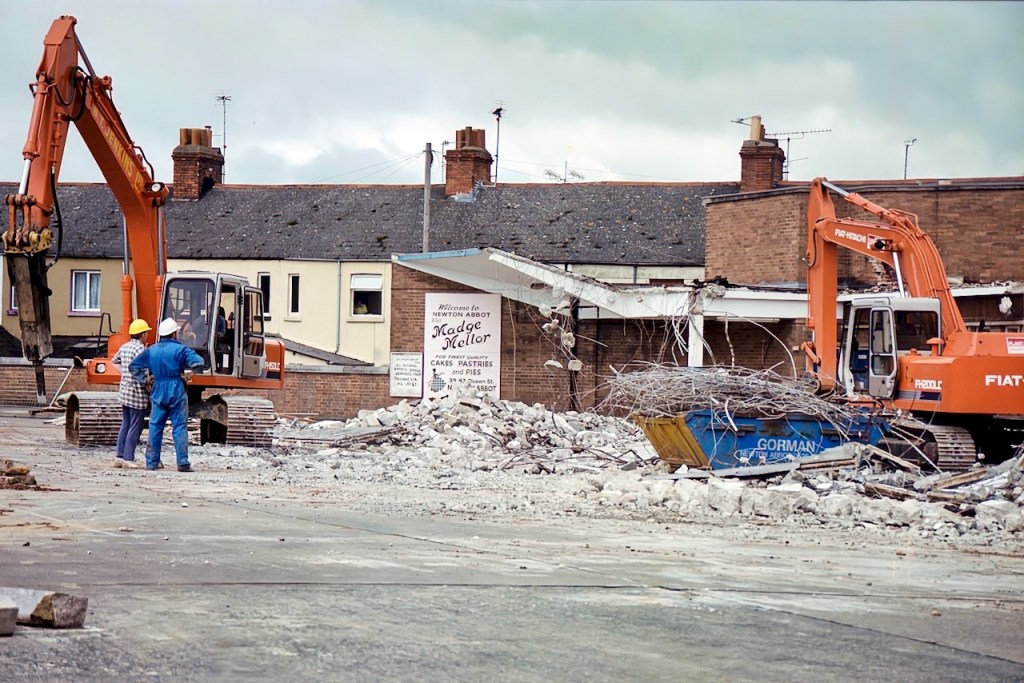
The bus station and the tax office – the sad tale of a valuable local amenity that was turned into an eyesore
I have many memories of Newton Abbot bus station spread over some decades and, like many townspeople over a certain age I still regret its passing.
-

Newton Abbot in Old Pictures: Market Square in 1989
A busy Market Square in September 1989. Far more stalls than you will ever see now! Do you recognise anyone in the pictures?
LSE DIARY
What was it like to be a student in London in the 1970’s?
-
Court, money, potential home, Peter Gabriel & another night in B&B
Homeless in London part 6. morning at the court, grant & wages cheques, unhappy Professor, abortive home visit & another night in a shabby King’s Cross B&B – but the chance of booking Peter Gabriel!
-
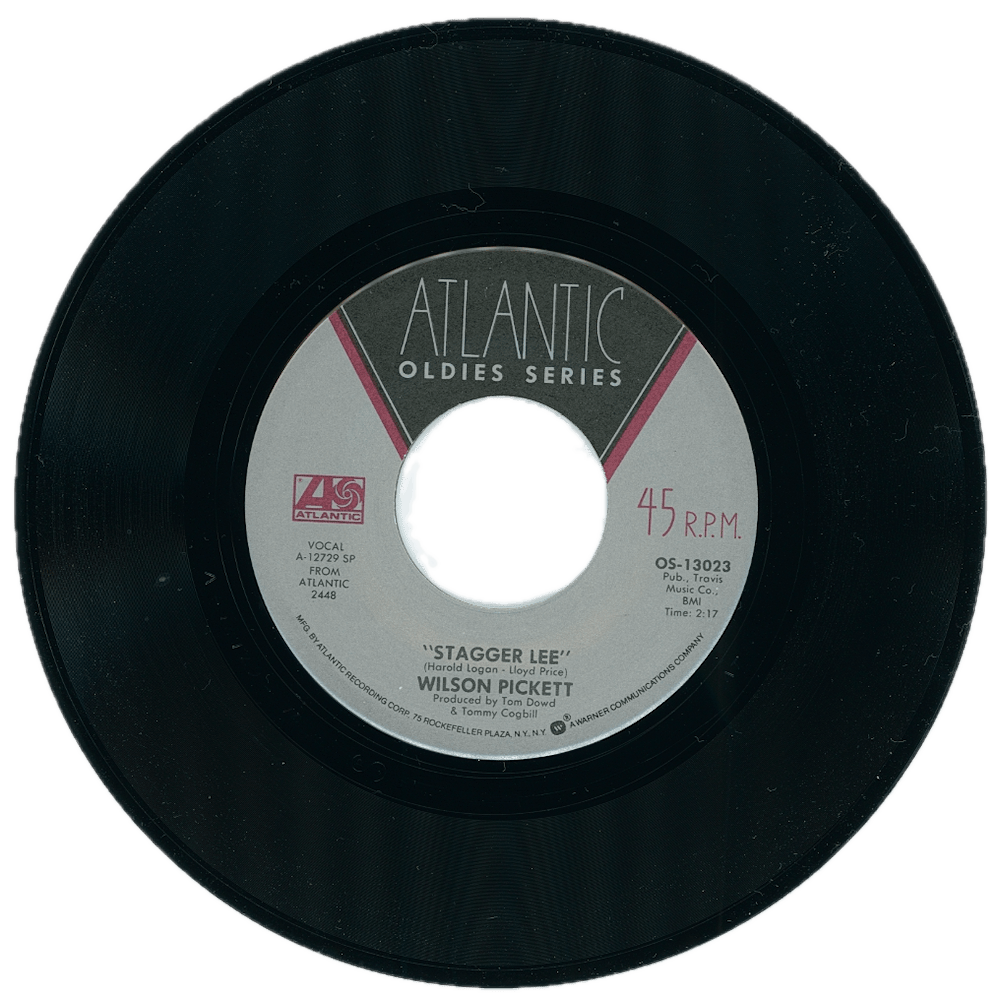
My Groovy 45’s No.5: Stagger Lee by Wilson Pickett
Stagger Lee by Wilson Pickett: this should be a movie: a man takes another man’s stetson hat and is shot dead. True story from 1895 and a great song recorded so many times by artists from Taj Mahal to Neil Diamond. I own 5 versions that I know of!
-

Told my story in court; sympathetic Judge wanted action; brief optimism
Homeless in London part 5: 26th. April 1976. Today I felt temporary relief as I was finally able to tell my story to a judge, who made a clear decision to find our landlord and bring her before the court. However, things did not go entirely according to plan.
MUSIC notes
-
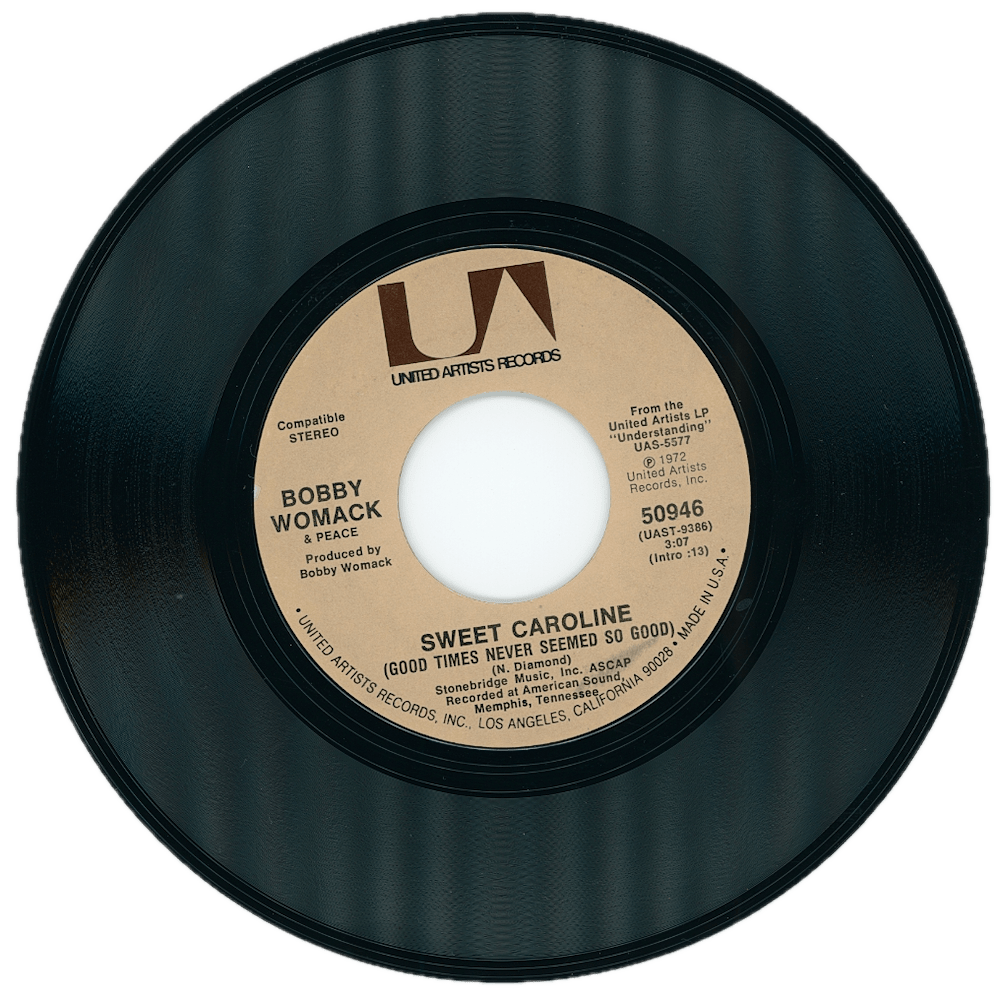
My Groovy 45’s No.6: Sweet Caroline by Bobby Womack
Bobby Womack sings a soulful version of a Neil Diamond song I am not particularly fond of. An old 45 from my collection I played at disco’s in the 1970’s.
-
My Groovy 45’s No.5: Stagger Lee by Wilson Pickett
Stagger Lee by Wilson Pickett: this should be a movie: a man takes another man’s stetson hat and is shot dead. True story from 1895 and a great song recorded so many times by artists from Taj Mahal to Neil Diamond. I own 5 versions that I know of!
-

My Groovy 45’s No.4: Sly & the Family Stone
#4 in my series of Groovy 45’s from what remains of my DJ singles collection from the 1970s and early 1980s. This would get them on the dance floor!
PHOTOGRAPHY notes
-

If you have images on Kodak Photo CD’s, chances are you can no longer access them. What do you do?
Kodak CDs were great in the day and a very convenient way to keep your photos safe and looking good. HOWEVER, almost nothing can ‘read’ Photo CD files nowadays. So how can you access them?
-
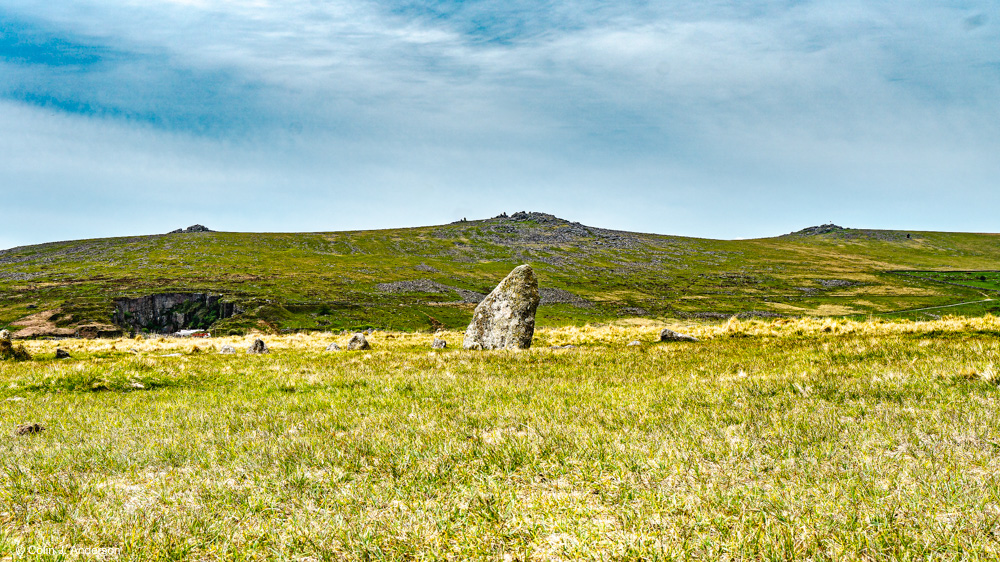
Merrivale: A 5,000 year-old Dartmoor settlement with stone rows, cists, cairns and a solitary menhir
What inspired people nearly 5,000 years ago to build stone rows, stone circles, standing stones and all the other features that can still inspire us all these years later?
-

Hedgehog triplets
Much to my surprise I found three baby hedgehogs in my garden – a wonderful sight. However, one of them was sickly and I have no idea if it survived.
A small selection of themed photography pages
Food!

Garden flowers

Shadow & Light


So who is Colin Anderson?
A Devonian with stories to tell and a love of history, science, philosophy, environment, & entertainment.
An increasing number of people I know are either down the rabbit hole or caught in its event horizon, which I find distressing. I prefer the real world and, like a frantic sponge, I cannot help but soak up knowledge, insight & quality.
Which I like to share…
USA 2016 travelogue




Scotland 2022 travelogue