Morning Thoughts From A Devon Sitting Room: Wednesday, 21st. October 2026
Sitting in my usual position perpendicular to a large window overlooking the cul-de-sac, I am feeling a strong and unpleasant chilly draft. The reason? The window has two trickle vents that ensure there are a sufficient number of room air changes for good health – and to help prevent mould growth. The air flow – stale air out and fresh air in – is not usually noticeable, but this morning it is quite blustery out there and boy can I feel it indoors. I am momentarily tempted to consider closing the vents; that moment is very short indeed because I am only too well aware of the importance of room air changes and ventilation. I am reminded of my experiences in the world of energy efficiency.
Back in the 1990’s when I became something of a teacher of good energy efficiency practice I frequently repeated the mantra of insulation, heating and ventilation: you should not do one without considering the other two, but that is exactly what the government did when it introduced its first energy efficiency scheme – and sadly is still doing to this day. A holistic approach to problems does not appear to be in the political mindset. I railed against a scheme that focussed entirely on insulation as Chair of the London HECA Forum – energy officers from all 33 London councils – and in meetings with industry and as a member of the Parliamentary All-Party Warm Homes Group.
If we insulate homes we dramatically change how the building fabric works, which is a good thing as heat loss is reduced leading to a reduced demand for heat. That sounds obvious and it is, but I had a devil of a job explaining to community groups and individuals in advice surgeries that they should turn their boiler thermostat down after the insulation is installed. The boiler no longer has to work so hard to deliver the warmth to whatever temperature you have set the room thermostat. If the boiler thermostat is too high the boiler is less likely to be in condensing mode, and the end result is that you are not making the savings on your energy bill that you should be.
I simplify things immensely here, and I focus only on gas condensing boilers. However, the principle remains. If we change the fabric of the building we must also ensure that we have sufficient ventilation and we also gain an opportunity to install a new efficient boiler (or other heating system) when the old one conks out. After installing a new boiler without first insulating you will feel warmer but your home will suffer the same heat loss you suffered with the old boiler – £10 notes floating out through the walls and roof.
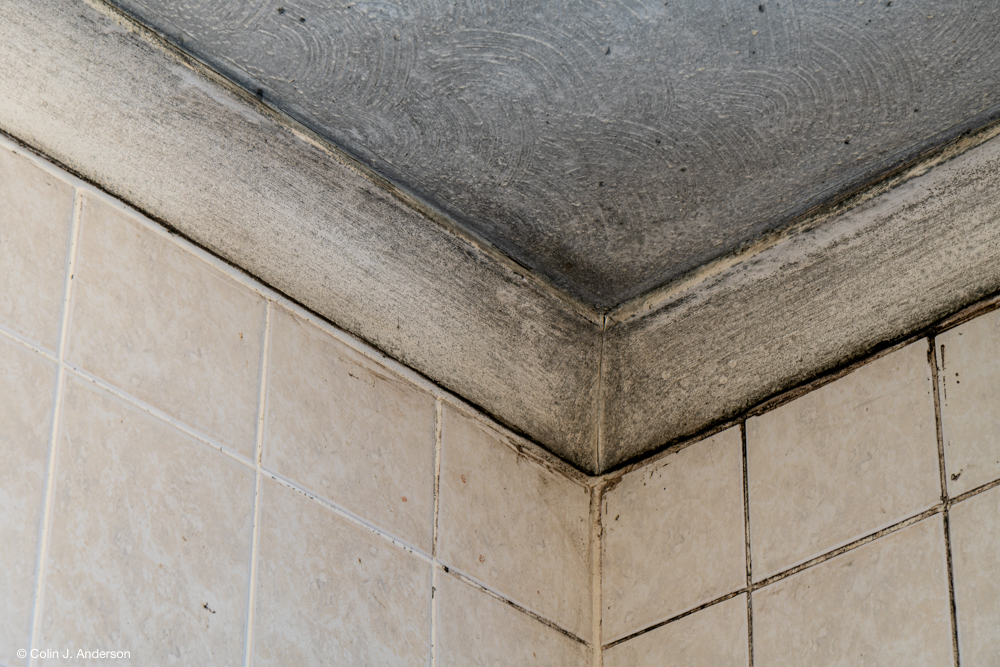
An uninsulated home is far more likely to experience damp and mould growth, particularly if you are on a low income and cannot afford to heat your home to the UN-recommended levels of 18-21 degrees. Installing a new boiler that is less expensive to run will provide more warmth, but the rate at which heat is lost through the walls will not change until you insulate them. You will still be keeping pigeons and plants warm.
I have been in many homes where there is no ventilation; no trickle vents in the windows and no ‘Vent Axia’ in the kitchen or bathroom. So where does the moisture go? If you cannot afford to heat the home adequately in the winter it condenses on walls. In time that condensation can cause the mould spores that exist in all of our homes to germinate. Two conditions must be met: the right temperature and the right humidity. In other words, heating and ventilation.
I do not like damp and I especially do not like mould growth. My rented home is largely uninsulated and has a very old and inefficient heating system, and my low income prevents me from having the heating on to achieve comfortable temperatures. There is nothing I can do about that. The trickle vents in my windows are probably the only things preventing mould growth, apart from my constant cleaning. So, chilly though I feel when it is windy outside, they are going to stay open – I can do something about that!
This is an entry in my diary and therefore ‘off the top of my head’, as my morning thoughts always are. I can never predict what will come to mind as I sit down with my iPad and cappuccino. Today the chill I felt from the trickle vents in my window reminded me of a time when I visited countless homes where vents were blocked with cardboard and paper – and they wondered why they had a damp and mould problem! My diary records my thoughts as they occur. I am conscious that there is a great deal more to the subject at hand and that matters are often considerably more complex than my diary entry might suggest. I can always expand on them if you wish!
Leave a Reply